
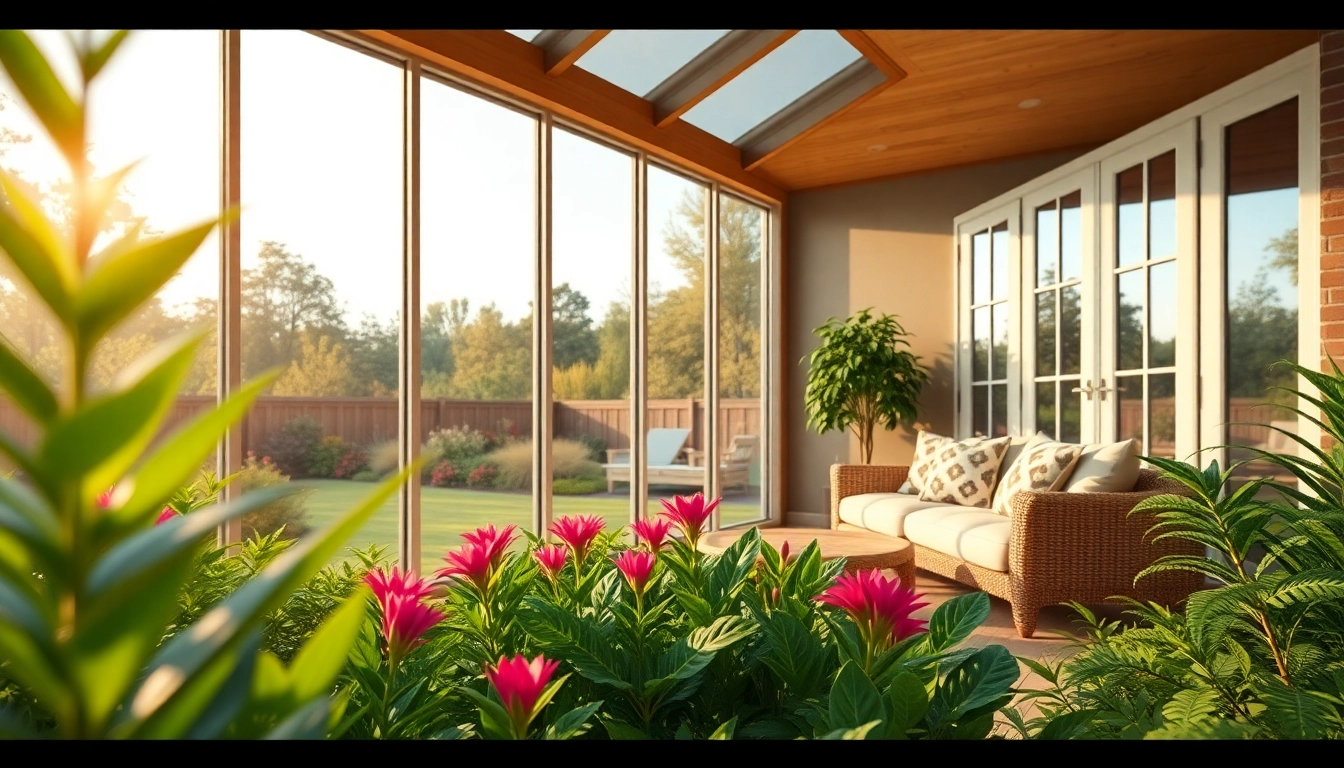
Understanding the Benefits of a Sunroom Addition
Why Choose a Sunroom Addition?
Incorporating a sunroom addition into your home brings a multitude of benefits that enhance both lifestyle and property value. Primarily, sunrooms create spaces filled with natural light, providing a beautiful transition between the indoors and outdoors. This transition allows families to enjoy their gardens or adjacent views while remaining sheltered from varying weather conditions.
Moreover, a sunroom addition can be customized to suit personal tastes, melding with existing architecture. From simple designs to extravagant extras like skylights and decorative features, the options for personalization are abundant.
Cost-Effectiveness Compared to Traditional Extensions
When evaluating expansion options, sunroom additions typically emerge as a more cost-effective solution than traditional room extensions. The average costs associated with adding a sunroom are significantly lower while also requiring less time for construction. Estimates suggest that the typical range for a sunroom addition is between $20,000 to $70,000, depending on size and materials, in contrast to conventional home expansions, which can often exceed $100,000.
This financial advantage appeals particularly to homeowners looking to maximize their investment. With lower initial costs, sunrooms often yield higher returns on investment through increased home value and appeal during resale. Buyers frequently admire the charm and utility of a sunroom, enhancing your property’s marketability.
Flexible Use of Space with a Sunroom Addition
A significant advantage of sunroom additions lies in their versatility. These spaces can serve multiple functions based on family needs, making them an attractive option for various lifestyles. Some homeowners may choose to turn their sunroom into a tranquil reading nook, while others may use it as a family gathering space or even an active home office. The adaptability of a sunroom ensures that it remains relevant and functional for years to come.
Additionally, sunrooms can serve as seasonal extensions of living spaces, accommodating everything from morning coffee to evening soirees, providing families the chance to experience nature without the hassle of outdoor conditions.
Planning Your Sunroom Addition
Key Considerations Before Starting
Before embarking on your sunroom project, several critical considerations must be evaluated for a successful outcome. First, it’s essential to assess your home’s architectural style, ensuring that the sunroom addition complements existing features and enhances overall aesthetics rather than detracting from it. Similarly, consider local zoning laws and building codes that may affect your installation choices.
Another vital aspect is to determine the intended use of your sunroom. Think about whether you envision it as a casual sitting area, a dining room, or perhaps a home office. Your plans will influence design elements such as size, layout, and even the types of windows and doors you choose.
Choosing the Right Design and Materials
Choosing the right design and materials is vital for the longevity and functionality of your sunroom addition. Considerations such as climate, maintenance, and energy efficiency play critical roles in this decision-making process. For example, energy-efficient glass can help maintain a consistent temperature while minimizing heating and cooling costs.
Additionally, selecting the appropriate materials for both inside and outside the sunroom should align with your desired aesthetic. From timber framing to aluminum or vinyl options, each material has its own unique characteristics that impact durability, maintenance, and style.
Hiring Professionals vs. DIY
As with any home renovation project, one of the first questions you may face is whether to hire professionals or tackle the project yourself. While DIY projects can be gratifying and cost-saving, constructing a sunroom addition requires specific skills and expertise, particularly regarding structural integrity and local codes. If you lack the necessary experience in framing, insulation, and HVAC installations, hiring professionals may be the wiser choice.
On the other hand, if you’re inclined towards DIY, you can still engage professionals for particular aspects, such as electrical work or specialized installations, while handling the rest of the project yourself. This hybrid approach can allow for personalization while ensuring that critical elements meet safety standards.
Design Ideas for Your Sunroom Addition
Modern vs. Traditional Sunroom Designs
The design of your sunroom can significantly influence both its aesthetic appeal and functionality. Modern sunroom designs often focus on sleek lines, open spaces, and the minimalist use of furnishings, allowing natural light and views to take center stage. Glass walls, sliding doors, and innovative roofing solutions are common in contemporary designs.
Conversely, traditional sunroom designs lean towards classic aesthetics with rich wood elements, inviting furniture, and landscaping that flows seamlessly into the interior. Historical styles can enhance home charm and deliver a warm, welcoming environment. Understanding your preferences and home style can help in creating the perfect sunroom design.
Color Schemes and Decor Tips
Choosing the right color schemes and decor can transform your sunroom into a visually stunning space. Opting for light, airy colors can enhance the feeling of space, allowing light to reflect and extend visually. Soft pastels or warm neutrals are advised, as they create a serene atmosphere.
Additionally, incorporating elements such as plants, art pieces, and textured textiles can breathe life into the sunroom, making it a practical yet cozy retreat. Consider adding outdoor-inspired decorations, like woven baskets and natural fiber rugs, to further connect the interior to nature.
Incorporating Eco-Friendly Features
In today’s environmentally-conscious world, incorporating eco-friendly features into your sunroom addition is not only sustainable but can also save on energy costs. Using energy-efficient windows and solar panels are excellent starting points. Proper insulation will ensure the space remains regulated regardless of weather conditions, enhancing energy conservation and comfort.
Additionally, consider integrating green materials into your design, such as reclaimed wood or low-VOC paints. Implementing indoor plants can improve air quality and bring in natural beauty, further promoting a healthy indoor ecosystem.
Permitting and Regulations for Sunroom Additions
Navigating Local Building Codes
Your local building codes will regulate sunroom additions, meaning research or consultation is essential during the planning phase to ensure compliance. Codes typically dictate aspects such as structural integrity and safety, including foundation specifications, electrical wiring, and plumbing regulations, if applicable.
Familiarizing yourself with these regulations not only aids in avoiding costly fines but also ensures that your project meets safety standards. Many municipalities have resources available that guide homeowners through the permitting process.
Importance of Permits for Your Project
Obtaining the necessary permits before beginning your construction is vital. Not acquiring the right permits can lead to compliance issues, mandatory demolition, and financial penalties. Permits grant you the green light from local authorities, confirming your project aligns with community standards.
Additionally, when the time comes to sell your home, prospective buyers will want assurance that renovations were made according to code. Having permits readily available can enhance buyer confidence and streamline the sale process.
How to Ensure Compliance
To ensure compliance throughout your project, consider working closely with a qualified contractor or an architect familiar with local regulations. These professionals can help navigate the permitting process and ensure all structural elements comply with safety standards.
Documentation is also crucial; keeping comprehensive records of permits, inspections, and any changes made to the original plan can simplify the approval process and provide peace of mind as your project progresses.
Maintenance Tips for Your Sunroom Addition
Keeping Your Sunroom in Top Condition
Maintaining your sunroom addition requires regular attention to ensure it remains a beautiful and functional space. Start by inspecting seals on windows and doors to prevent drafts and water leaks, which can lead to bigger problems if not addressed. Regular cleaning of the glass surfaces is also essential; use products that won’t harm the materials and keep the views unobstructed.
It’s also important to check structural elements, such as the roof and foundation, annually. By tracking any potential issues early, you can resolve them before they escalate, preserving the sunroom’s integrity and comfort.
Seasonal Maintenance Checklist
Adapting your maintenance routine to seasonal changes will ensure your sunroom remains in peak condition throughout the year. In the spring, focus on cleaning and inspection, removing debris from the roof, checking for cracks or loose materials, and preparing your heating or cooling systems.
In the summer, ensure ventilation systems are functioning and consider implementing sun shades to reduce heat buildup. For autumn, clean gutters and inspect for weather-related damage. Lastly, in winter, keep paths cleared of snow and ensure insulation is adequate to combat chilly drafts.
Addressing Common Issues and Repairs
Common issues in sunroom additions include condensation buildup, leaks, and temperature fluctuations. Addressing condensation can often be resolved by improving ventilation and using dehumidifiers when necessary.
For leaks, check seals on windows and doors or inspect the roof for any cracks or misalignments. Consider using weather stripping or caulking for quick fixes. Regular maintenance and early intervention are key for addressing these common problems, ensuring the sunroom remains a comfortable retreat.
Frequently Asked Questions
What is the average cost of a sunroom addition?
The average cost of a sunroom addition ranges from $20,000 to over $70,000, depending on size and materials used. This is generally more affordable than traditional room additions.
Do I need a permit to add a sunroom?
Yes, obtaining a permit is generally necessary as it ensures the sunroom adheres to local building codes and regulations, preventing compliance issues later.
What materials are best for a sunroom?
Choosing materials depends on functionality and style. Common options include vinyl, aluminum, and wood, with energy-efficient glass preferred for windows to enhance insulation.
How can I heat and cool my sunroom?
Your sunroom can be heated and cooled using heating systems, ceiling fans, or portable heaters and air conditioning units. Insulation is also key to maintaining a stable temperature.
How do I maintain my sunroom?
Regular maintenance includes cleaning windows, checking seals for leaks, and inspecting structural integrity. Implement seasonal check-ups to keep everything in working order.