
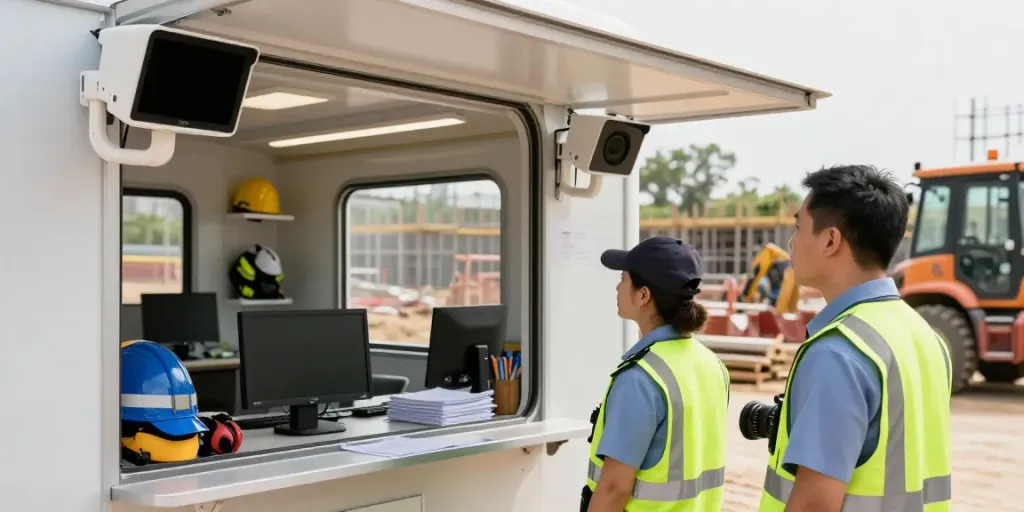
Understanding Construction Site Security: Essential Services
In 2026, the realm of construction site security has evolved significantly, necessitating the adoption of robust and multifaceted strategies to safeguard valuable assets, personnel, and project timelines. Effective security measures not only protect physical assets but also ensure compliance with industry standards and regulations, providing peace of mind to contractors and project managers. From surveillance to on-site personnel, understanding the scope of construction site security is crucial. When exploring options, Construction Site Security ensures the best practices are integrated seamlessly into your operations.
What Does Construction Site Security Include?
Construction site security typically encompasses a range of services tailored to meet the specific needs of the project at hand. These can include:
- Manned Guarding: Professional security personnel are deployed to monitor the site, control access, and respond to incidents promptly.
- Surveillance Systems: Surveillance cameras are installed to provide 24/7 monitoring and deter potential criminal activity.
- Access Control: Barriers and access points are controlled to ensure that only authorized personnel enter the site.
- Patrol Services: Regular patrols are conducted to identify vulnerabilities and deter unauthorized access.
- Risk Assessments: Comprehensive evaluations of potential security threats and vulnerabilities are performed to tailor security strategies.
Importance of Patrols and Surveillance
Continuous surveillance and on-site patrols are critical elements in maintaining a secure work environment. Patrols not only serve as a deterrent to potential thieves but also help in identifying safety hazards. Surveillance technology has advanced, allowing for remote monitoring and enhanced response capabilities. By integrating both patrol services and surveillance systems, construction sites can ensure prompt action is taken at the first sign of trouble, minimizing the risk of theft and accidents.
Best Practices for Securing Worksites
To maximize effectiveness, construction sites should adhere to best practices in security management, which may include:
- Comprehensive Site Evaluations: Regular evaluations help identify new vulnerabilities and adapt security measures accordingly.
- Employee Training: Educating staff on security protocols and emergency procedures ensures everyone is prepared and vigilant.
- Utilization of Technology: Employ various technologies such as motion sensors, alarm systems, and drones to enhance site security.
- Community Engagement: Building relationships with local law enforcement can bolster overall site security through collaboration.
How to Choose the Right Construction Site Security Provider
Key Factors to Consider When Selecting
Choosing the right security provider is a critical decision that can impact the safety and efficiency of your construction operations. When selecting a security company, consider the following criteria:
- Experience and Reputation: Evaluate their history in the industry, including client testimonials and success stories.
- Customizable Solutions: Opt for companies that offer tailored security solutions based on the unique needs of your project.
- Training and Accreditation: Ensure that the security personnel are trained and accredited, complying with industry standards.
- Pricing Transparency: A reputable provider should give a clear and comprehensive breakdown of pricing without hidden fees.
Accreditations and Licensing Requirements
It is essential to ensure that any security provider you consider holds relevant accreditations and licenses, such as SIA (Security Industry Authority) licenses in the UK. These credentials indicate that the company abides by legal regulations and maintains high standards of service. Regular audits and compliance checks are integral to establishing trust and ensuring reliability in security practices.
Customer Service and Support Options
Effective communication is key in any client-provider relationship. Choose a security provider that prioritizes customer support and is readily available to address concerns or emergencies. Reliable providers often offer 24/7 communication channels and dedicated account managers who ensure your needs are met promptly and efficiently.
Construction Site Security Pricing: What to Expect in 2026
Cost Breakdown for Security Services
In 2026, the cost of construction site security can vary widely depending on several factors, including the size of the site, the level of security needed, and specific services requested. On average, you can expect to pay between £12 to £20 per hour for basic security services, while more specialized tasks, such as monitoring advanced surveillance systems or providing close protection, may command higher rates.
Pricing Models: Hourly vs. Contract Rates
Security providers may offer different pricing structures:
- Hourly Rates: Ideal for short-term contracts or fluctuating security needs, where payment is made per hour worked.
- Contract Rates: Usually more cost-effective for ongoing projects; a contract rate can provide a fixed monthly fee for comprehensive security services, often including additional benefits.
How to Budget for Security Needs
When budgeting for construction site security, consider potential risks, the value of assets, and any past incidents that could inform your security strategies. Additionally, accounting for unexpected costs in the budget can prevent setbacks. It's advisable to consult with security professionals to assess risks and derive a balanced budget that encompasses all necessary preventive measures.
Local Compliance and Regulations in London
Key Security Regulations Every Contractor Should Know
In London, contractors need to comply with various regulations and standards concerning security. Familiarity with local laws, including the Security Industry Authority (SIA) regulations, will enhance compliance and risk management strategies. This knowledge ensures that security practices meet legal expectations, minimizing the likelihood of fines or interruptions.
Incorporating Compliance into Security Planning
Incorporating compliance into your security planning involves working alongside accredited security professionals who understand local laws and can provide tailored strategies to meet them. Regular audits and evaluations of security measures can ensure ongoing compliance and adaptability to emerging regulations.
Importance of Community Trust and Engagement
Building a relationship with the local community and law enforcement can significantly enhance site security. Engaged stakeholders are more likely to report suspicious activity, adding another layer of defense. By actively participating in community activities and fostering trust, construction companies can benefit from increased vigilance and support.
FAQs Regarding Construction Site Security
What Security Measures are Most Effective on Construction Sites?
Effective security measures on construction sites include a combination of manned guarding, surveillance systems, access control protocols, and regular patrols. These elements work together to deter criminal activity while ensuring safety for workers and visitors.
How Much Does Construction Site Security Typically Cost?
Cost varies based on multiple factors, including project complexity and location. Generally, expect basic site security to range from £12 to £20 per hour, while more specialized or emergency security needs may require higher expenditures.
What Services Do Top-Tier Security Companies Offer?
Leading security firms provide a comprehensive range of services, including manned guarding, surveillance installation and management, access control solutions, and extensive risk assessments tailored specifically for construction environments to enhance operational safety.. Additionally, Construction Site Security provides further details.