
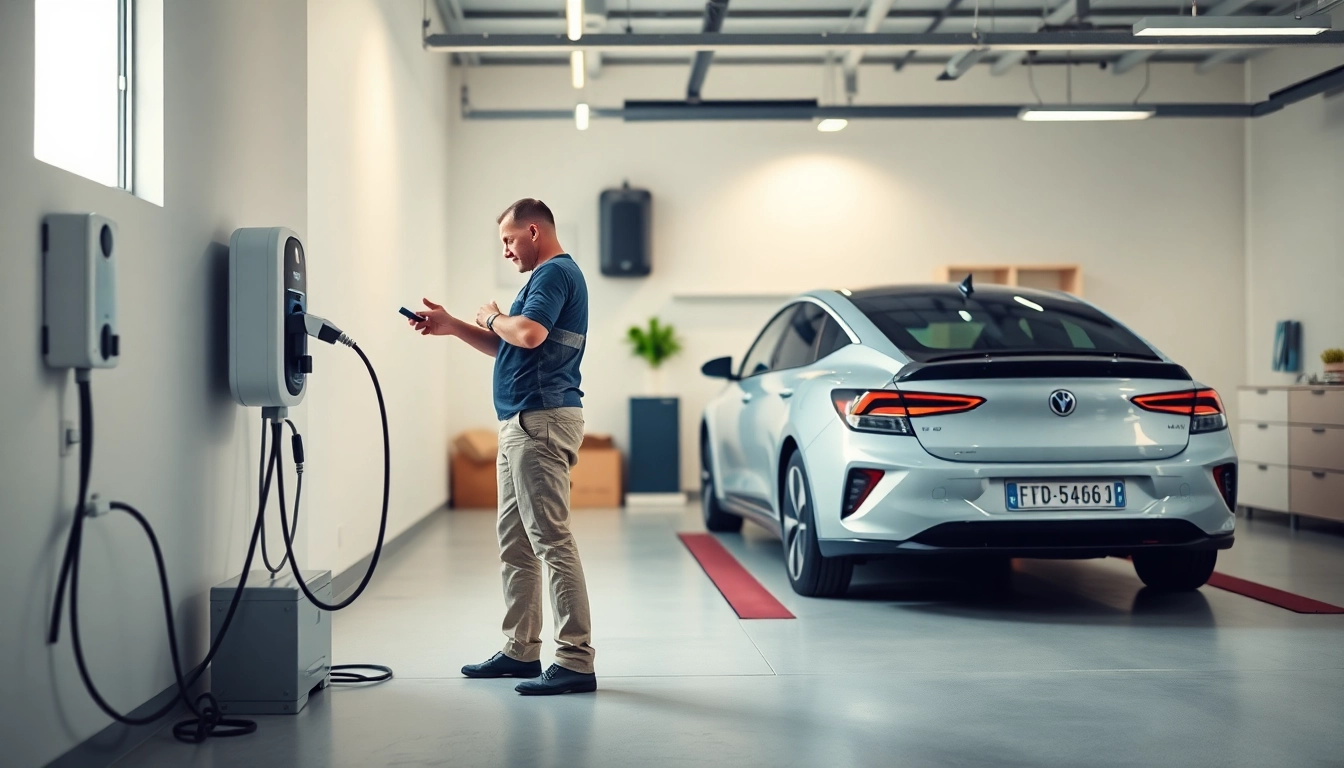
Understanding EV Charging Options
The rise of electric vehicles (EVs) has brought about a new set of challenges and opportunities for homeowners. One of the most critical aspects of owning an EV is understanding the various charging options available. Selecting the right charging solution for your home can significantly enhance your EV experience, making it convenient and efficient. In this context, McNally EV plays a key role in providing tailored solutions for home charging installations.
Types of Home Chargers
When considering an EV charger for your home, understanding the different types available is essential. Home chargers primarily fall into three categories:
- Level 1 Chargers: These chargers utilize a standard 120V outlet, making them convenient for casual charging. While they are easy to use and don’t require any special installation, they often provide a slower charging speed, typically adding about 4-5 miles of range per hour.
- Level 2 Chargers: These chargers operate on a 240V circuit and significantly reduce charging time. They are capable of delivering a range of 10-60 miles of range per hour depending on the vehicle and charger specifications. Level 2 chargers commonly require professional installation and suitable electrical capacity at home.
- DC Fast Chargers: Primarily found in public settings, these chargers offer rapid charging capabilities, providing up to 300 miles of range in approximately 30 minutes. Although not typical for residential use, understanding them is beneficial for overall EV ecosystem knowledge.
Benefits of Installing Home Chargers
The installation of a home EV charger offers numerous advantages:
- Convenience: With a home charger, you can charge your vehicle overnight or during the day, ensuring your EV is always ready to go when you are.
- Cost-Effectiveness: Charging at home is generally cheaper than using public charging stations, especially if you can take advantage of time-of-use electricity rates.
- Energy Independence: Having your own charging station means less reliance on public infrastructure, making it easier to charge in case of emergencies.
- Increased Property Value: An installed EV charging station can enhance your home’s appeal and value in an increasingly eco-conscious market.
Choosing the Right EV Charger for Your Home
Choosing the right charger involves various considerations that encompass vehicle compatibility, installation space, and personal charging habits. Here are curated steps to follow:
- Assess Available Power: Check if your home’s electrical system can support a Level 2 charger to maximize charging capabilities.
- Evaluate Charging Needs: Consider how often you drive and the range of your vehicle to gauge the necessary charging speed.
- Research Available Models: Review product specifications and features such as Wi-Fi connectivity, smart charging functions, and safety certifications.
- Consult Professionals: Engaging with experts can provide insights tailored to your specific situation and requirements.
McNally EV Installation Process
McNally EV aims to provide a seamless installation experience for all clients. Their comprehensive installation process is designed for efficiency, safety, and satisfaction.
Initial Consultation and Site Assessment
The installation journey begins with an in-depth consultation. McNally EV representatives will discuss your charging needs, evaluate your vehicle’s specifications, and assess the installation site to determine optimal configurations. This step ensures that all factors are considered.
Permitting and Compliance Considerations
Installing EV chargers often involves navigating local regulations and obtaining necessary permits. McNally EV is well-versed in these requirements, ensuring that all installations are compliant with local zoning and electrical codes. This meticulous attention to detail simplifies the process for homeowners and avoids potential setbacks.
Step-by-Step Installation Guide
The installation itself is carried out by certified technicians who follow a structured process:
- Preparation: The installer will prepare the site by ensuring the electrical panel and chosen installation area are clear and safe.
- Wiring and Power Setup: Necessary electrical work will be performed, including installing a dedicated circuit for the charger.
- Charger Mounting: The EV charger will be securely mounted to the wall or pedestal, depending on your preference.
- Final Checks: Comprehensive checks will be performed to ensure functionality and safety, followed by a demonstration for the homeowner.
Benefits of Choosing McNally EV
Choosing McNally EV for your home charging installations comes with a multitude of benefits that set them apart from competitors.
Expertise and Experience in the Field
With years of experience in EV charger installations, McNally EV’s team possesses extensive knowledge of the latest technologies and best practices in the industry. This expertise allows them to provide customized solutions that cater to your unique needs and circumstances.
Customer-Centric Approach
McNally EV prioritizes customer satisfaction through a personalized approach to service. The team is dedicated to understanding your preferences and constraints, thereby creating solutions that fit seamlessly into your lifestyle. Their support doesn’t end after installation; they are available for ongoing assistance whenever needed.
Warranty and Ongoing Support
McNally EV values transparency and trust, offering warranties on both products and installations. This commitment to quality assurance ensures you receive reliable service, backed by professional support should any issues arise. They are dedicated to fostering long-term customer relationships through ongoing maintenance and assistance.
Cost Considerations for Installation
The cost of installing an EV charger can vary widely based on several factors, but understanding these elements can help homeowners make informed decisions.
Factors Influencing Installation Costs
Several factors influence the overall cost of EV charger installation:
- Type of Charger: Level 1 chargers are less expensive than Level 2 options, which require more complex installation procedures and equipment.
- Electrical System Upgrades: Homes may need electrical panel upgrades or new circuits, which can affect overall costs.
- Labor Costs: The experience and expertise of the installation team can also impact pricing.
Financing Options and Incentives
Potential homeowners may have access to grants, rebates, and financing options aimed at promoting EV technology. State and local governments often provide programs to mitigate the upfront costs of installation. McNally EV can guide you through these possibilities for financial assistance.
Long-Term Savings with Home Charging
While there are initial costs associated with home charger installation, the long-term benefits can far outweigh expenses. Home charging provides significant savings on fuel costs over time and reduces reliance on public charging infrastructure. Additionally, it increases convenience and enhances the overall value of your home.
FAQs About McNally EV Charging Solutions
What types of EV chargers do you install?
We specialize in installing Level 1 and Level 2 EV chargers tailored to your needs, ensuring compatibility with your specific EV model.
How long does the installation process take?
Most installations can be completed within a few hours, depending on the complexity of the site and electrical requirements.
Are there any incentives for installing EV chargers?
Yes, various state and local programs offer financial incentives for residential EV charger installations. We can help you explore these options.
What is the maintenance for home EV chargers?
Home EV chargers require minimal maintenance, but regular checks for wear and tear and ensuring connections are secure are advisable for longevity.
Can I use my existing electrical system for a new charger?
It depends on your current electrical setup. An assessment by a qualified technician will determine if your system can support an additional charger.